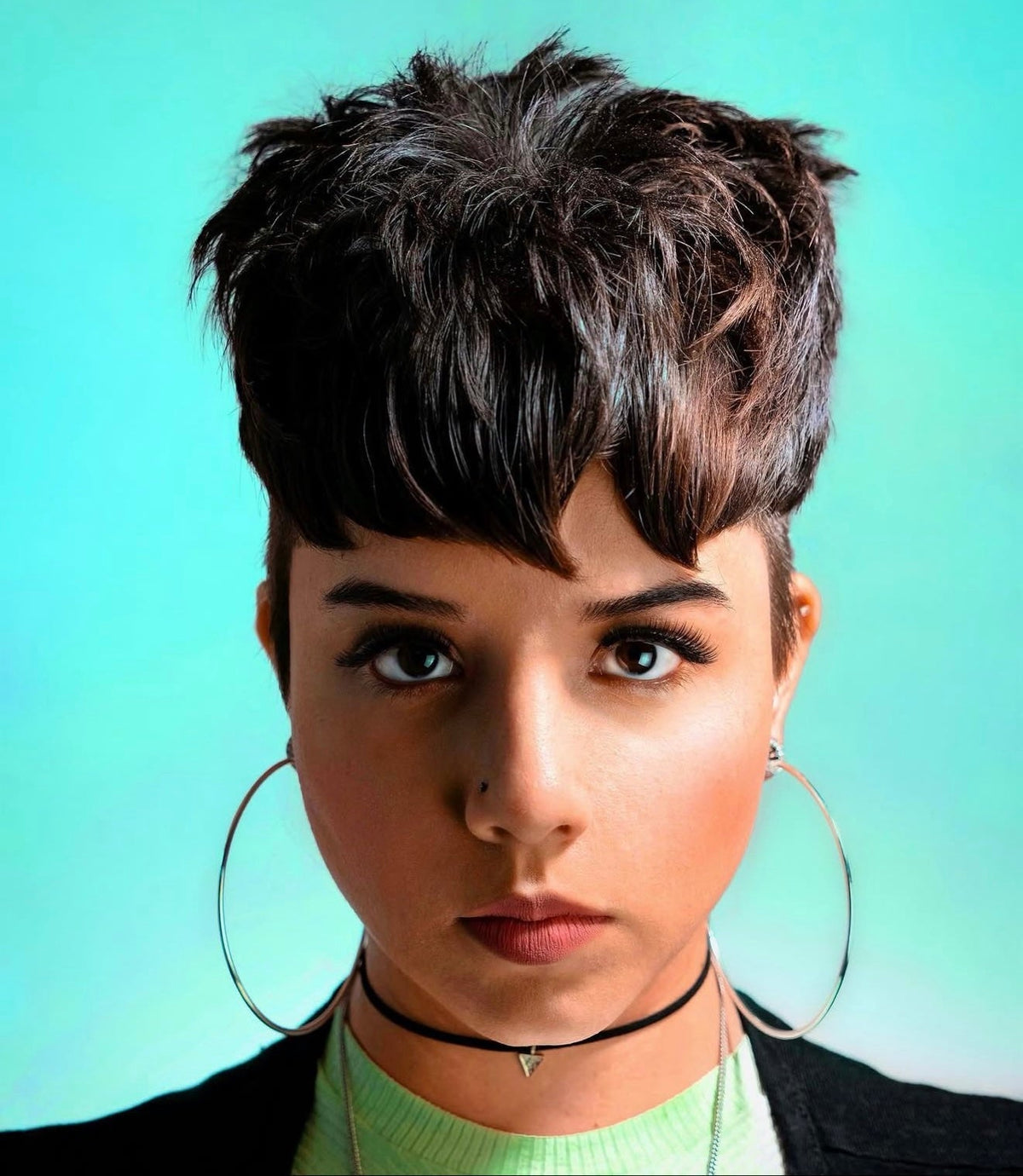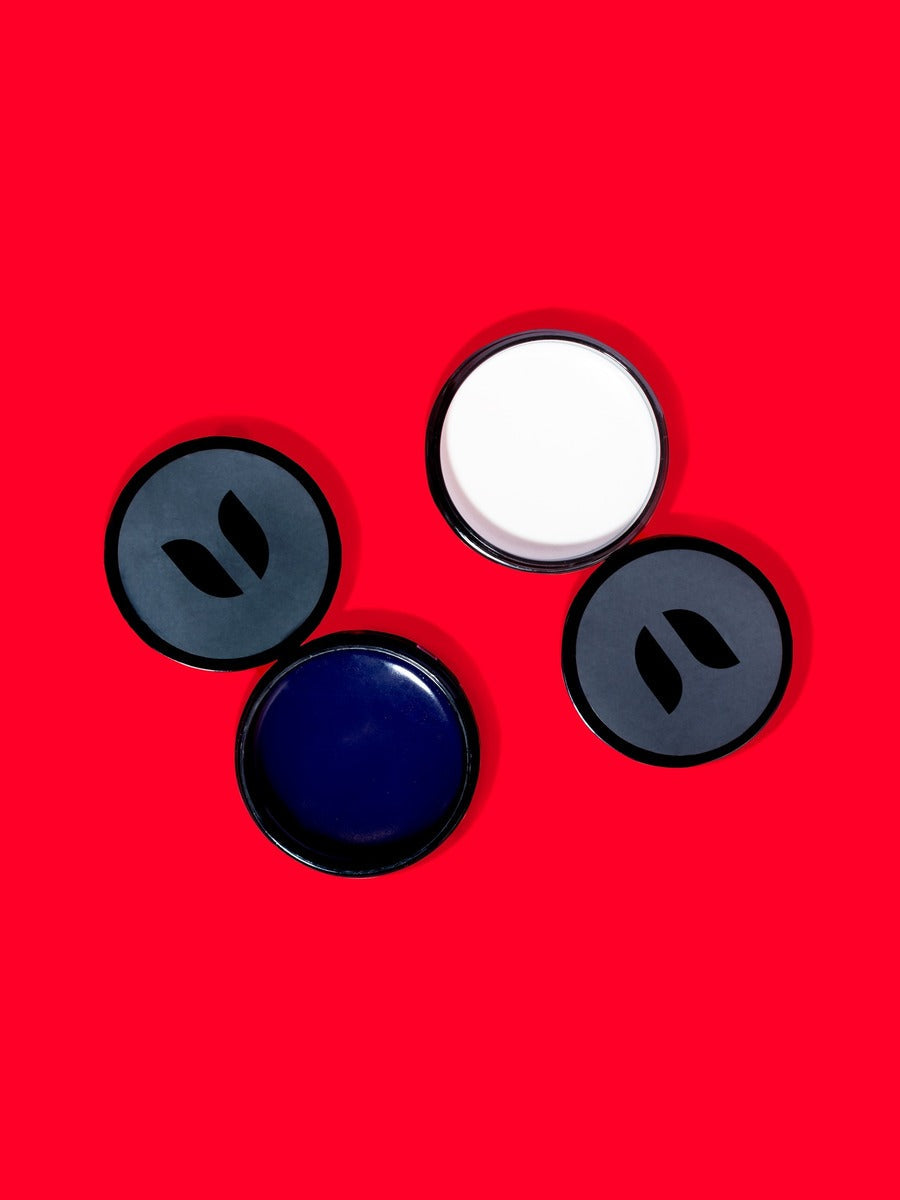
The difference between hair clay and pomade is the finish. Clay gives a matte, textured, natural look with flexible hold you can rework all day. Pomade gives shine and a slick, polished finish that keeps cleaner styles — side parts, slick backs — looking sharp. Neither one is better; the right pick is the finish you want and the hair you have.
Key Takeaways
- Finish decides it: clay is matte and textured, pomade is shiny and slick.
- Clay builds natural, piecey styles and volume. Pomade controls and polishes cleaner, longer styles.
- Both stay reworkable — neither one sets into a hard shell.
- Thin or fine hair usually reads fuller with clay. Pomade wins for slick backs and side parts.
- You can layer them: clay for texture, a touch of pomade for control and shine.

Hair Clay vs Pomade at a Glance
| Hair Clay | Pomade | |
|---|---|---|
| Finish | Matte — little to no shine | Shine — a polished, glossy look |
| Hold character | Flexible, textured, builds volume | Smooth control, keeps hair in place and in line |
| Best hair types | Short to medium, fine to thick | Medium to long, straight to wavy, thick |
| Best styles | Textured crops, messy fringe, natural volume | Side parts, slick backs, pompadours, comb-overs |
| Restyling | Reworkable all day with fingers or damp palms | Reworkable — a comb and a little water refresh it |
| Wash-out | Wax-based, so warm water and shampoo handle it | Varies by formula; most wash out with a normal shampoo |
Read the table by the look you want first, then check your hair type. Most men who own both reach for them on different days for exactly that reason.
What Hair Clay Does Best
Clay is the texture product. DASH FOR HIM Hair Clay is built on bentonite and kaolin — minerals that coat each strand with grip — with beeswax, lanolin, argan oil, and carnauba wax keeping it workable instead of stiff. The result is a true matte finish: hair looks like hair, not like product. Clay separates strands into piecey, defined texture, builds volume at the roots, and stays flexible, so you can reshape it after the gym, after a hat, whenever.
It is the forgiving option, too — applied in thin layers, it is hard to overdo, and mistakes fix with your fingers. The deep dive on what clay is and who it suits: Hair Clay for Men: The Complete Guide. Technique matters more than amount: How to Use Hair Clay.
What Pomade Does Best
Pomade is the polish product. It combs in smooth, lines stay where you put them, and the shine gives styles a deliberate, finished look. That is why pomade owns the classic cuts: side parts, slick backs, pompadours, comb-overs. On medium to longer hair — and on thick hair that fights back — pomade's smooth control does what clay cannot: it keeps everything in line without pieces popping loose. It also handles flyaways and edges better than any matte product.
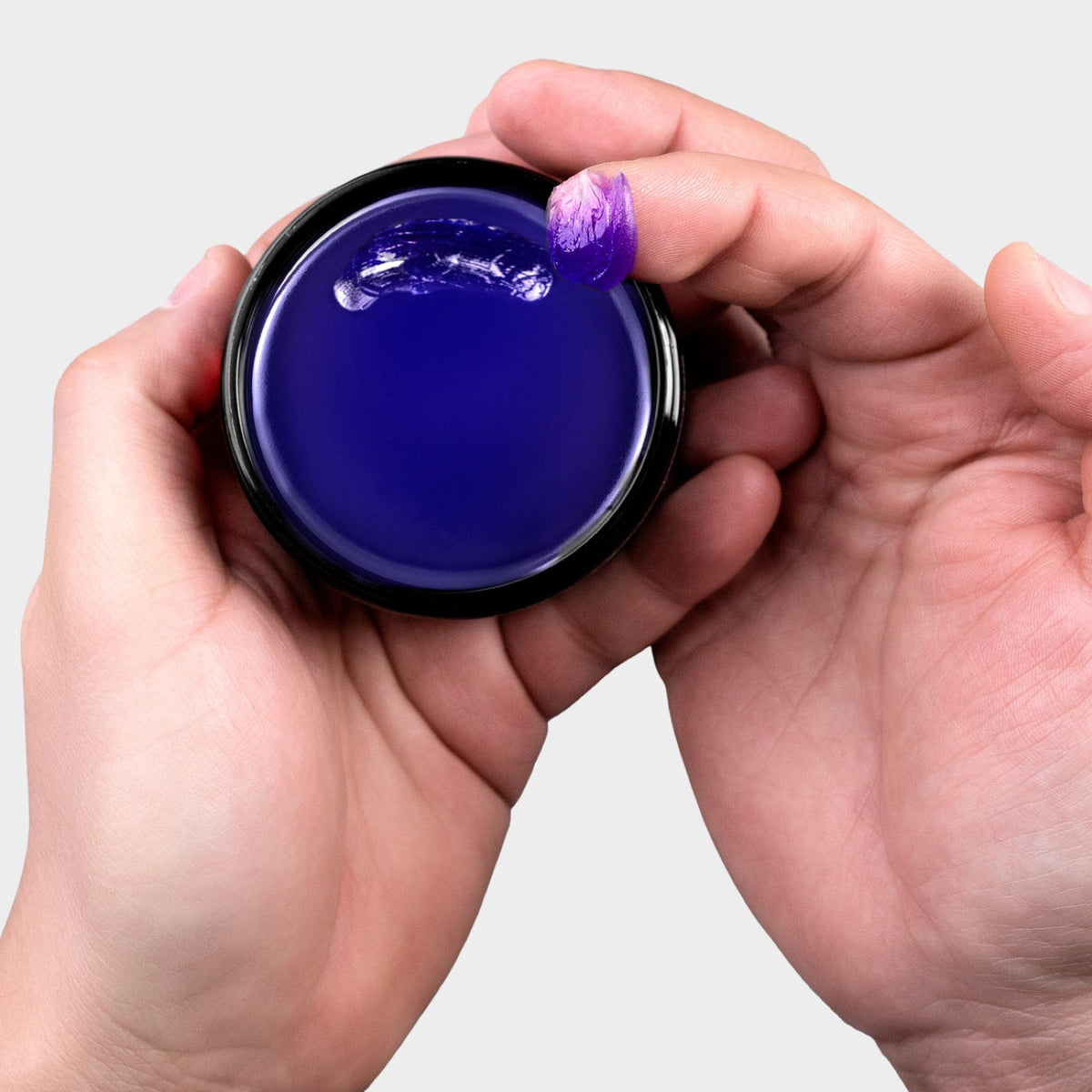
DASH FOR HIM Pomade adds one thing most pomades do not have: a violet tint. As it styles, the tint subtly tones light, gray, and blond hair, helping it look cleaner and less brassy. It is not a purple shampoo and does not replace one — it is a styling product with a toning assist built in.

Pick Clay If...
- You want a natural, no-product look with texture and movement.
- Your go-to styles are textured crops, messy fringes, or anything with volume on top.
- Your hair is thin or fine — matte grip makes hair look fuller, where shine can expose the scalp. More on that: Hair Clay for Thin Hair.
- You restyle during the day and want hold that gives instead of locking.
Pick Pomade If...
- You wear a side part, slick back, pompadour, or comb-over — the polished classics.
- You like visible shine and a sharp, deliberate finish.
- Your hair is medium to long, or thick enough that it needs smooth control more than texture.
- Your hair is light, gray, or blond and picks up brassy tones — the violet tint works while you style.
Can You Use Clay and Pomade Together?
Yes — barbers layer them all the time. The order that works: clay first on dry hair for texture and hold, then a small amount of pomade worked through the top or the edges for control and a touch of shine. Keep the pomade light; it is the finishing layer, not the base. If volume is the problem neither solves alone, a little styling powder at the roots underneath adds lift — always start with very little powder, because too much up front causes trouble. Full method: How to Use Hair Styling Powder for Men.
The Verdict, by Use Case
- Everyday natural texture: clay.
- Office-sharp side part or slick back: pomade.
- Thin or fine hair: clay — matte grip reads as density.
- Thick, longer, hard-to-control hair: pomade.
- Light or gray hair that goes brassy: pomade, for the violet tint.
- Both looks in your rotation: own both — they are different tools, not rivals.
Frequently Asked Questions
Is clay or pomade better for men's hair?
Neither is better overall — they do different jobs. Clay gives a matte, textured, natural finish with flexible hold; pomade gives shine and a slick, polished finish with smooth control. Choose by the finish you want, then by your hair type.
Is pomade or clay better for thin hair?
Clay, for most men with thin or fine hair. Its mineral grip separates strands so hair looks fuller, and the matte finish keeps shine from highlighting the scalp. Pomade's shine and smoothness can make thin coverage more visible — save it for fuller hair or styles where control matters more.
Which holds better, clay or pomade?
They hold differently. Clay's hold is flexible and textured — it grips and builds structure without setting hard. Pomade's hold is smooth and directional — it keeps hair combed in place and in line. For messy, piecey styles clay feels stronger; for keeping a part or slick back together all day, pomade does.
Can you use clay and pomade together?
Yes. Apply clay first on dry hair for texture and hold, then finish with a small amount of pomade for control, edges, and a touch of shine. Keep the pomade layer light — it is a finisher, not a base.
Does pomade wash out easier than clay?
It depends on the formula — there is no universal answer. Wax-based clays generally need warm water and shampoo; many pomades rinse down with a normal shampoo as well. If easy wash-out is your priority, check the specific product rather than the category.
What is the violet tint in DASH FOR HIM Pomade?
A subtle toning tint built into the pomade. While you style, it helps light, gray, and blond hair look cleaner and less brassy. It is a styling product with a toning assist — not a purple shampoo, and it does not replace one.
Shop the Right One
Both are made to barber standards by the team behind DASH FOR HIM's formulas. The Hair Clay ($25, 4 oz) is made in the USA, featured in GQ, and built to sit with the top clays in the category. The Pomade ($24) brings the shine and control — plus the violet tint no standard pomade has.
Matte and textured: Hair Clay
Slick and polished: Pomade


Written by CJ Da Barber
Christian "CJ" Gonzalez is an award-winning barber and educator based in Dallas, Texas, and Lead Educator for the D.F.S. Formula in North America. He has earned multiple BTC One Shot Hair Awards and Barbercon's Barber Come Up of the Year award, and he teaches barbering internationally in English and Spanish. CJ is also the barber behind DASH FOR HIM's formulas — he helped develop the hair clay and led R&D on the styling powder as part of the 2019 launch team. Follow him on Instagram: @cjdabarber_